
 By Khabar Rojana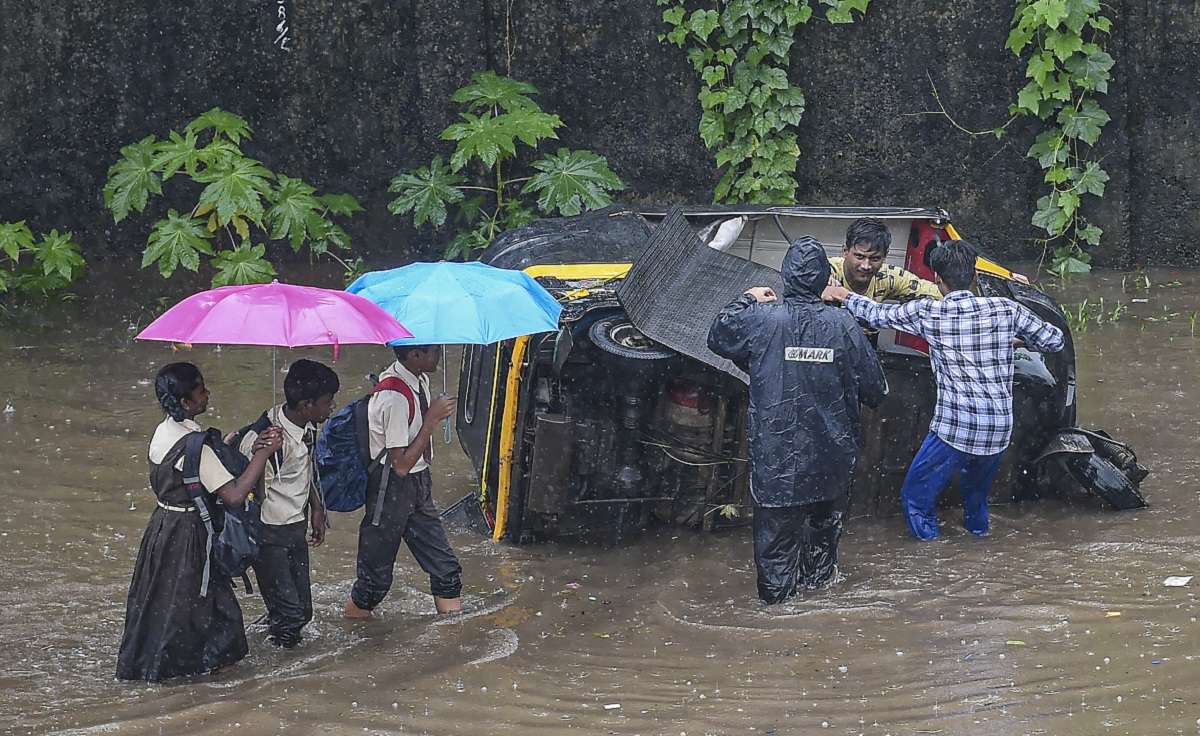
India’s final monsoon phase will bring intense rainfall and heightened risks of landslides across northern states, the IMD has warned. September is forecast to bring above-normal rainfall.
The India Meteorological Department (IMD) on Sunday forecast above-normal rainfall for September, warning that this could trigger more landslides, cloudbursts, and flash floods across northern India. Rainfall is expected to exceed 109% of the long-term average over the next two months. Northwest India, including Delhi and the Himalayan belt, just recorded its wettest August since 2001. The upcoming weeks, the IMD says, could bring “episodic occurrences” of extreme events, prompting authorities to be on high alert.
Recent devastation across the Himalayas
August brought widespread destruction to Himachal Pradesh, Uttarakhand, Jammu & Kashmir, and Punjab. Landslides, road collapses, and floods displaced thousands. Notable events include the Dharali village flood in Uttarakhand and cloudbursts in Jammu and Kashmir.
The IMD recorded exceptional rainfall at several locations:
- Udhampur (Jammu): 630 mm on August 27
- Raigad (Maharashtra): 440 mm on August 20
- Ghat areas of Madhya Maharashtra: 570 mm
Record-breaking August rainfall
The month of August saw northwest India receive 265 mm of rain its highest in 23 years, and the 13th highest since 1901. Southern India recorded its third-highest August rainfall since 2001. The IMD attributes these patterns to five active weather systems that triggered “vigorous monsoon conditions”. Since June 1, India has received 743.1 mm of rainfall 6.1% above the long-term average. However, the regional distribution remains uneven:
- Northwest India: +26.7%
- Central India: +8.6%
- Southern Peninsula: +9.3%
- East and Northeast India: –17.8%
Landslide and flood risks in downstream areas
With heavy rains expected across the Indo-Gangetic plains and central India, the IMD warned of flooding in downstream areas. Rivers originating in Uttarakhand could swell rapidly, impacting towns and cities along their paths. Though beneficial for agriculture and water reserves, above-normal rain also increases the risk of:
- Crop damage
- Public health issues
- Infrastructure strain
- Transport disruptions
- Landslides and flash floods
The IMD advised strengthening infrastructure, using early warning systems, and building resilience in vulnerable zones. Data shows that September rainfall has steadily increased since 1980, especially in recent years. The normal monsoon withdrawal date from Rajasthan has already shifted from September 1 to September 17.
 Shalu Shalu