
 By Khabar Rojana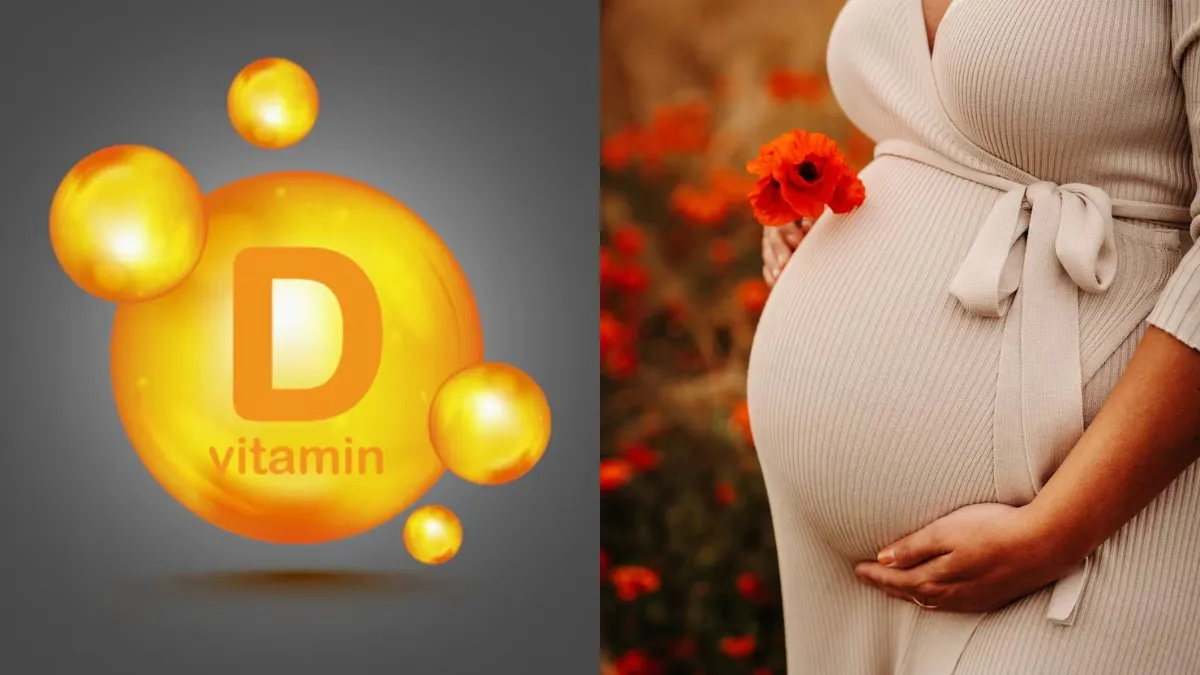
Vitamin D supports healthy pregnancy and infant growth. Know why it’s important, the risks of deficiency and simple prevention steps.
Vitamin D plays a crucial role in the health and development of expectant mothers and infants. An adequate level of vitamin D ensures sufficient calcium absorption, which is essential for foetal development and maternal bone health.
According to Dr Rashmi Naik N, Consultant Obstetrics & Gynaecology, Apollo Cradle & Children’s Hospital, Rajajinagar, Bangalore, it also regulates hormones and supports the immune function, promoting cell growth and controlling inflammation in the body.
Why vitamin D is important for pregnant women and infants
A deficiency of vitamin D among pregnant women can lead to preeclampsia, gestational diabetes and preterm birth. Lack of vitamin D can further weaken their immune system, which makes them vulnerable to infections. Similarly, in newborns, it is important for their bone & teeth development. Lack of it can lead to rickets. Further, vitamin D supports the immune system and the physical development of babies.
Common causes of vitamin D deficiency
In expectant mothers:
- No Exposure to Sunlight
- Improper diet
- Obesity
- Health Conditions
In infants:
- Less or No Sunlight Exposure
- Maternal health conditions
- Premature birth
- Breastfeeding without supplementation
WHO recommendations for vitamin D supplementation
As per the WHO, very low birth weight (VLBW) infants should receive 400-1000 IU (Vitamin D) supplementation until 6 months of age to prevent these deficiencies. While pregnant women should receive 200 IU (vitamin D) supplementation during pregnancy, it can prevent complications.
How pregnant women can prevent vitamin D deficiency
- Spend 15-20 mins in sunlight in the early morning with hands, legs and face uncovered.
- Include vitamin D-rich foods in the diet, such as mushrooms, milk, fish and egg whites, etc.
- Take vitamin D supplements as prescribed by the doctor.
Vitamin D care tips for infants and newborns
- Ensure the baby gets supplemented with 400 IU of vitamin D till one year.
- Breastfeeding, as suggested by the paediatrician
- Maternal Supplementation ensures an adequate amount of Vitamin D in infants
- Sunlight exposure in the early hours of the day for older children, as suggested by the paediatrician.
By taking a proactive approach, pregnant women can not only improve their health during pregnancy but can also reduce the risk of long-term health complications for both mother and child.
 Shalu Shalu