
 By Khabar Rojana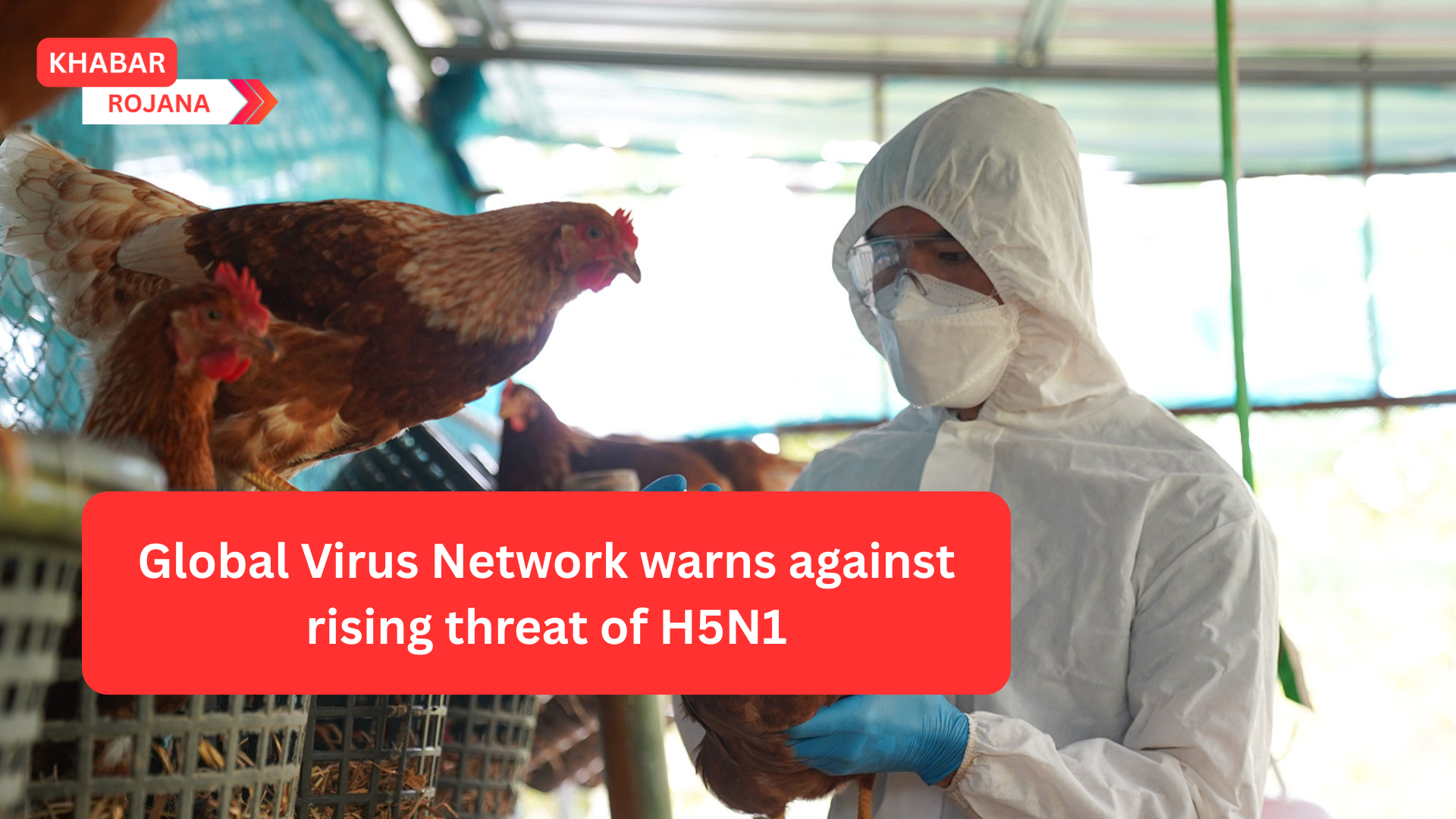
The Global Virus Network (GVN), comprising virologists from over 80 centers across 40 countries, has issued an urgent call to action regarding the escalating threat of the H5N1 avian influenza virus. Recent developments indicate that the virus, traditionally associated with birds, has now infected dairy cows and humans, raising concerns about its potential to cause a pandemic.
| Affected Species | Number of Infections |
|---|---|
| Dairy Cow Herds (USA) | Nearly 1,000 |
| Human Cases (USA) | Over 70 |
| Human Fatalities (USA) | 1 |
Note: Data as reported by the Global Virus Network.
- Cross-Species Transmission: H5N1 has expanded beyond avian species, now infecting mammals such as dairy cows and humans.
- Genetic Mutations: The virus has undergone genetic changes that may enhance its ability to spread among humans.
- Potential for Human-to-Human Transmission: While current human cases are linked to direct animal contact, mutations could facilitate easier human-to-human spread.
- Enhanced Surveillance: Implement robust monitoring systems to detect and respond to new cases promptly.
- Strengthened Biosecurity: Enforce strict hygiene and safety protocols in farms and animal handling facilities.
- Public Awareness Campaigns: Educate communities, especially those in close contact with animals, about preventive measures.
- Research and Development: Invest in vaccine development and antiviral treatments targeting H5N1.
The spread of H5N1 to mammals and humans signifies a shift in the virus’s behavior, potentially increasing the risk of a pandemic. International collaboration and immediate action are crucial to prevent widespread transmission and mitigate the impact on public health.
The GVN’s warning underscores the urgency of addressing the H5N1 threat through comprehensive surveillance, stringent biosecurity measures, and global cooperation. Proactive steps taken now can avert a potential health crisis in the future.
 Shalu Shalu