
 By Khabar Rojana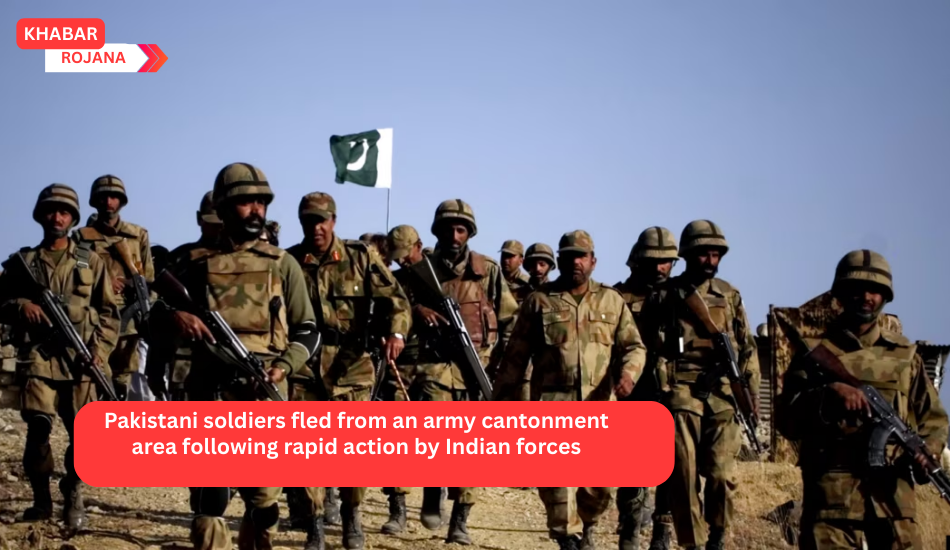
On May 9, 2025, Indian forces conducted a rapid operation targeting a Pakistani army cantonment area. The swift and decisive action led to chaos within the Pakistani military ranks, resulting in soldiers abandoning their posts. This move was part of India’s broader strategy to neutralize threats and assert control along the border.
The sudden offensive by Indian forces caught Pakistani soldiers off guard. Facing intense pressure and lacking adequate support, many soldiers chose to flee the cantonment area to avoid confrontation. This retreat highlights potential issues within the Pakistani military’s preparedness and morale.
The targeted cantonment area holds strategic importance due to its proximity to the border and its role in housing key military assets. Control over such locations is crucial for maintaining dominance and ensuring security in the region.
| Aspect | Details |
|---|---|
| Date | May 9, 2025 |
| Location | Pakistani army cantonment area near the border |
| Action Taken | Indian forces conducted a rapid offensive |
| Outcome | Pakistani soldiers fled the area |
| Strategic Importance | High, due to proximity to the border |
In response to India’s assertive measures, Pakistan has launched multiple attacks along India’s western border using drones and other munitions. These actions have further escalated the conflict, leading to casualties and damage on both sides .
The international community has expressed concern over the escalating tensions. Calls for restraint and dialogue have been made by various nations and organizations to prevent further deterioration of the situation .
This incident is reminiscent of past conflicts between India and Pakistan, where sudden escalations have led to significant military engagements. The current situation threatens to unravel years of diplomatic efforts aimed at maintaining peace in the region.
As of now, the area remains under heightened security, with both nations monitoring the situation closely. Diplomatic channels are being explored to de-escalate tensions and prevent further conflict.
 Shalu Shalu